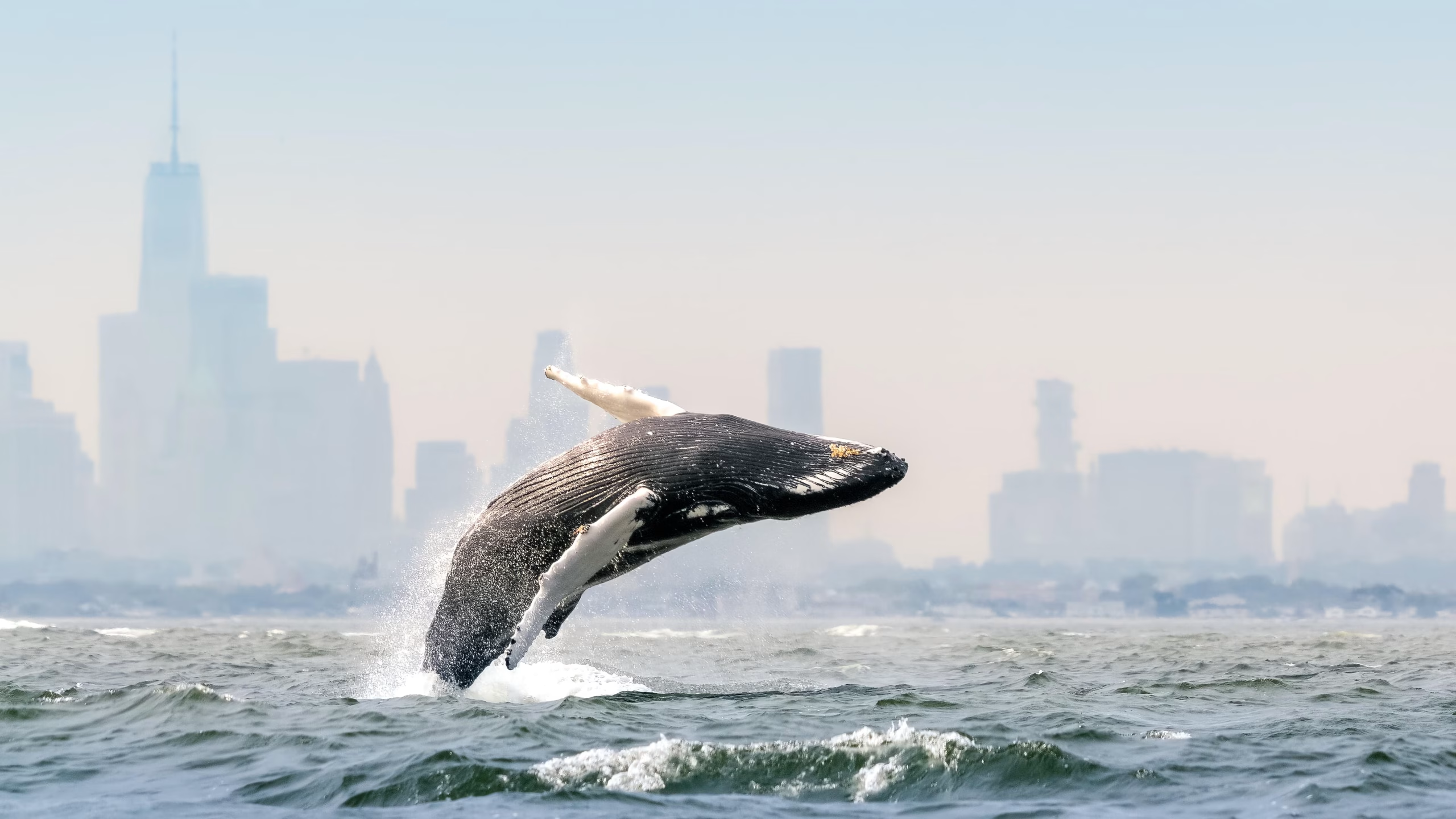
The BBC’s Blue Planet III is taking an unusual step to show viewers its images are real: it is leaving in the messy, imperfect moments that earlier nature documentaries would have cut. In an age of AI, the series is using plankton, buoys and less than ideal water conditions as evidence of authenticity.
The Verge’s Terrence O’Brien reported on Oct. 24, 2026 that the series is keeping shots that would normally end up on the cutting room floor. Earlier installments of the BBC nature series built their reputation on extraordinary, sharp footage that could seem almost too pristine. A common warning sign of AI imagery is a finish that looks overly polished and seamless. Blue Planet III answers that by retaining material that would once have been discarded.
Executive producer Elizabeth White previously told The Guardian that “the amount of plankton and things” floating in the water would have led the team to cut a shot. She said the crew might otherwise have framed out a boat or a buoy, or thought: “Oh, actually … the water conditions are not really good enough for this.”
This time, those elements stay in. The goal is to show a more authentic, organic version of the oceans, rather than a picture stripped of anything that might look untidy.
The series still features remarkable natural behavior. Dolphins trap fish by plugging holes with sea sponges. Fish communicate across species. And 200,000 crabs line up in formation to feed.
White told The Guardian that real ocean creatures “are probably more remarkable than AI could imagine.”
For Blue Planet III, the rough edges are not a distraction. They are part of the case that what viewers are seeing comes from the natural world, even when the water is not clear and the frame is not perfect.