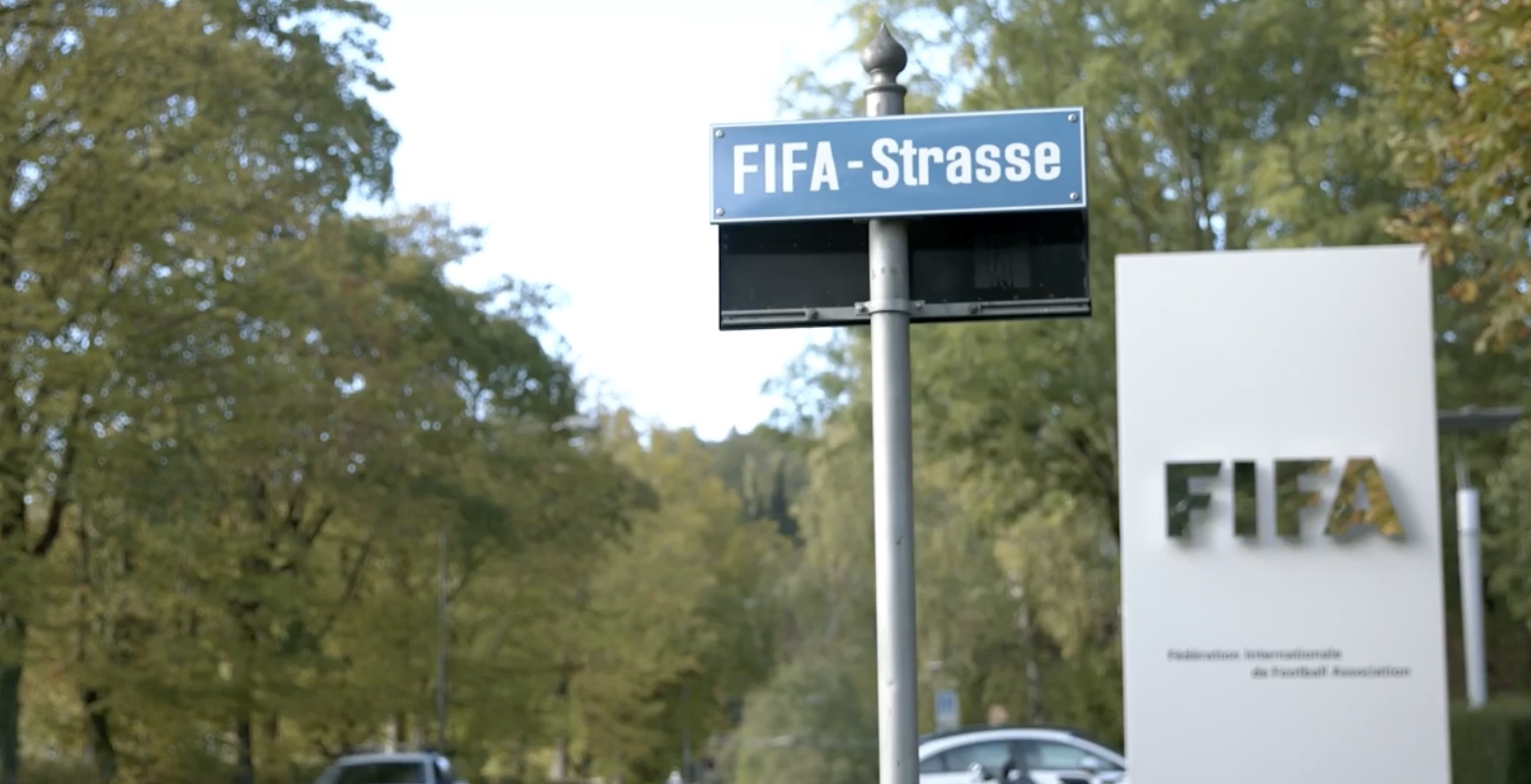
A nongovernmental organisation, FairSquare, has formally asked Swiss authorities to investigate how FIFA shares development money with its 211 member associations, opening a new front in the debate over how world football’s governing body distributes its wealth.
In a letter sent on November 27, FairSquare requested that Swiss officials “conduct an immediate investigation into the manner in which FIFA redistributes revenue to its 211 member associations”. The letter was first reported by The Athletic and seen by Insideworldfootball.
The group argued that “serious and obvious shortcomings in FIFA’s development model may be driving corruption in numerous countries around the world, most significantly in the global south”. It linked its request to FIFA’s stated plan to “significantly increase the sums of money it redistributes to its member associations” and to newly published research that it says underscores the model’s flaws.
FIFA pushed back forcefully. The organisation said it “strongly rejects unsubstantiated allegations and insinuations in relation to its development model as well as questionable assumptions about the so-called ‘global south’”. It also noted that FairSquare has acknowledged it “has not documented any corruption among FIFA member associations”.
FairSquare identifies two main flaws. First, it says funds are not allocated according to the individual needs of member associations. Each association, regardless of size, revenue, costs and development requirements, receives roughly the same amount. Second, the NGO argues there is “no evidence of meaningful or effective oversight” over how member associations spend FIFA money.
FIFA’s response contests both points. It says all 211 member associations share the same rights and obligations and that development projects are “planned, implemented, and monitored in accordance with clear regulations”. According to FIFA, every recipient of funds undergoes a yearly central audit by independent auditors. Those audits are then reviewed by the FIFA Administration and submitted in full detail to the independent Governance Audit and Compliance Committee, which can order improvements or sanctions.
The governing body added that it applies International Financial Reporting Standards in its financial reporting and follows internationally recognised accounting standards, “ensuring transparency, consistency, and comparability in its financial reporting”.
The dispute comes as FIFA, under president Gianni Infantino, has distributed billions in development money. The organisation has faced pressure over an aborted World Cup sell off plan. After recent lobbying by Concacaf and UEFA, FIFA, with the approval of its Council, raised development funding to $25 million per member association. Infantino had originally budgeted just £10 million.
Infantino has repeatedly insisted that FIFA “knows where each and every cent of its money goes”. In a 2025 circular letter, FIFA said it hires globally recognised assurance firms to independently review member associations’ processes and compliance. It also requires member associations to publish annual accounts, but The Athletic recently reported that 61% do not meet that requirement.
As the scrutiny grows, Infantino has travelled extensively to campaign for reelection. In recent weeks he has covered more than 100,000km in a private jet supplied by Qatar’s national airline. At the recent general assembly of the Confederation of African Football in Abuja, Nigeria, he repeated the message he used when he first became FIFA president: “FIFA’s money is your money.” The speech drew a standing ovation from African delegates, who seemed unfazed by the multiple and growing scandals involving Infantino.
FairSquare argues that FIFA’s response to scrutiny has been to pledge more money, “thereby strengthening the patronage system that is at the root of its dysfunction”.
The request now sits with Swiss authorities. FIFA says its audits and accounting standards provide safeguards. FairSquare says the model lacks both targeted allocation and effective oversight.