
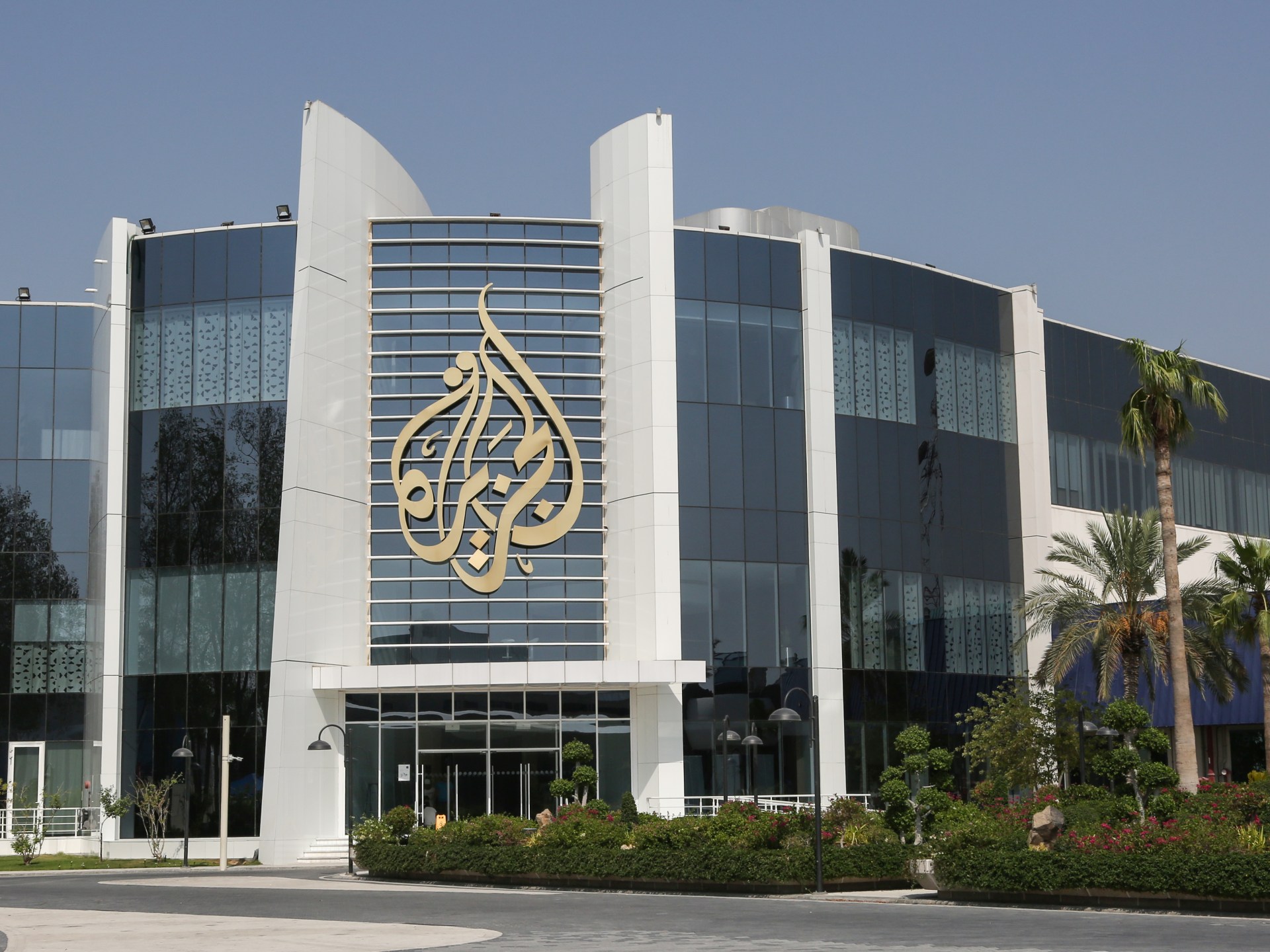
Al Jazeera marked 30 years on air on Sunday with a ceremony at its headquarters in Doha, celebrating a channel that reshaped Arab television while paying a heavy price for staying on air. The network, launched on 1 November 1996, used the occasion to honour the colleagues it has lost and to outline how it plans to adapt its Arabic coverage for the years ahead.
The event in the Qatari capital was attended by the Emir of Qatar, Sheikh Tamim bin Hamad Al Thani, together with other delegates, according to the network.
When the first Arabic language satellite broadcast went out from Doha in 1996, it brought political perspectives that had largely been kept off the region’s screens into the mainstream, and opened room for argument over subjects that had rarely been discussed in the open on regional television.
Al Jazeera’s Director General, Sheikh Nasser bin Faisal Al Thani, told those gathered that the project had never been confined to a screen. “It was a promise that journalism can be free and responsible, and that ‘opinion and the other opinion’ is not just a slogan, but it’s a position you take,” he said.
The Director of News, Raed Fakih, said in a statement that across three decades the network “has helped transform the way news is covered in the Arab world”, crediting it with making space for “voices, issues and perspectives that had not been given the space they deserved”.
He added that the anniversary marked a starting point rather than a finish line. “Today, as we mark Al Jazeera’s 30th anniversary, we are building on that editorial legacy to broaden the scope of our coverage and give greater prominence to a wider range of events and viewpoints,” he said.
The celebrations coincided with a substantial reorganisation of the network’s Arabic language news services, which will be split across three channels to separate rolling breaking news, live coverage of events and more extended reporting.
The channel was founded by Qatar’s late Father Emir, Sheikh Hamad bin Khalifa Al Thani, as an independent broadcaster, the first of its kind in the Arab world, built around a pledge to carry “the opinion and the other opinion”. It has since expanded into the Al Jazeera Media Network, a private corporation for public benefit that runs television channels, websites and other digital platforms in several languages.
That growth has come at a cost. Governments have barred the network from operating and its offices have been bombed in several parts of the world, even as its crews documented the major events of the past three decades.
In 2001, when the United States attacked Afghanistan, Al Jazeera was the only foreign broadcaster in Kabul, and its pictures and updates were carried around the world. A decade later, millions followed the Arab Spring uprisings live on the channel, work that earned it a Peabody Award.
Exclusive footage has made the network difficult to ignore, and has also made it a target. In 2003, a US strike hit its Baghdad office and killed correspondent Tareq Ayyoub. Two dozen Al Jazeera journalists have been killed in total since then.
In 2022, an Israeli soldier shot dead the Palestinian correspondent Shireen Abu Akleh in Jenin, the twelfth Al Jazeera journalist killed in 19 years. Another 12 were killed in the following 30 months, all of them by Israel during the war in Gaza, which the network has described as genocidal.
Among them was Anas al-Sharif, who became the face of the conflict for many viewers. In August 2025, an Israeli strike hit a press tent outside al-Shifa Hospital and killed him and four colleagues.
Sheikh Nasser used his address to remember them. “To the martyrs of Al Jazeera, to our colleagues who departed while carrying out their duties, we say to them today, you are part and parcel of Al Jazeera’s promise,” he said.
Pressure has not come only from the battlefield. In 2024, Israel banned the network and raided its office in Ramallah, and months later the Palestinian Authority suspended it. In total, at least nine governments have tried to silence Al Jazeera.
Despite that, the broadcaster remains in operation, with more than 3,000 staff working from more than 70 bureaus worldwide. Together with its digital divisions and its English channel, which began broadcasting in 2006, it reaches more than 430 million homes.
Sunday also saw the launch of The Core, an artificial intelligence initiative first announced in December 2025 in collaboration with Google Cloud. The project is intended to embed AI in newsroom work, helping journalists handle information, coordinate coverage and draw more effectively on the network’s reporting archives. Al Jazeera Balkans was relaunched as well, moving to a format built around digital output first.
The network’s shelves hold hundreds of awards, but its stated purpose has not changed: to speak for those who are seldom heard. Thirty years after its first broadcast, Al Jazeera says it intends to keep doing so.



